


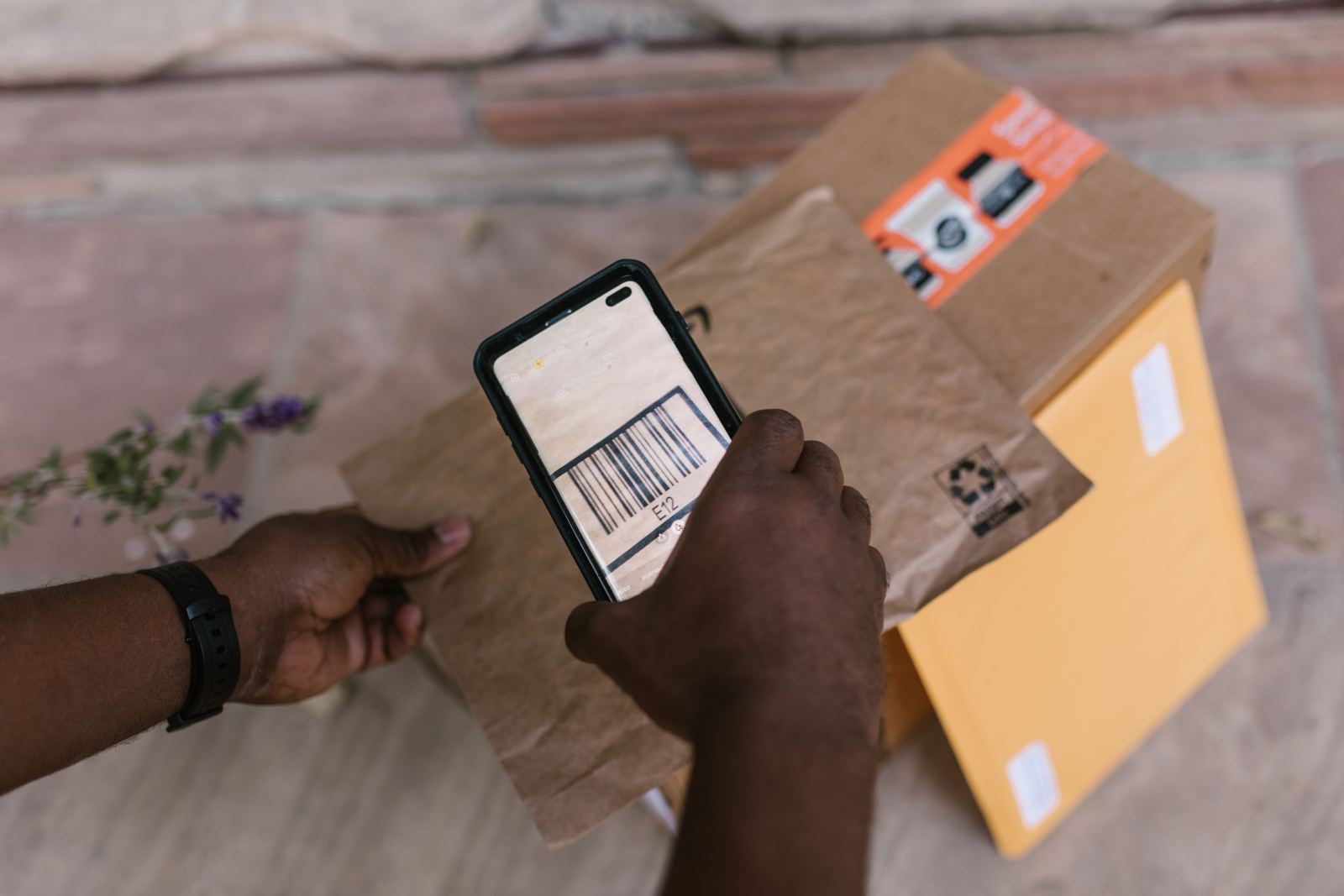
A courier business that lasts comes down to four decisions: pick a narrow niche you can be reliable at, price routes on real cost per stop, run a dispatch system that tracks every job to proof of delivery, and solve the phone coverage gap that strands solo operators once busy. Niche and pricing set your margin; coverage keeps your clients.
A courier business feels simple until the third pickup request comes in while you are mid-route with a full car. You are driving, your phone is buzzing with a hospital that needs a specimen moved in the next hour, and a law firm you delivered for yesterday is calling to set up a regular afternoon run — and you cannot safely answer either. By the time you pull over, the hospital has called a competitor and the law firm has left a message you will return too late.
That scene is the real first year of a courier business, and it is not a driving problem — it is an operations problem. Almost anyone can move a package from A to B. Building a business that clients trust with their urgent, valuable, time-critical work is a different job. Here is how to start one that is still running in twelve months.
Step 1: Pick a niche, not "delivery"
General "we deliver anything" couriers compete on price and lose. The firms that survive pick a lane where reliability matters more than being cheapest, and become known for it. The strongest niches share a trait: the client suffers real consequences when a delivery fails, so they pay for dependability.
- Medical courier — lab specimens, pharmacy runs, and equipment between clinics and hospitals. Time-critical, recurring, and loyal to whoever is reliable. Often needs specific handling training and chain-of-custody records.
- Legal courier — filings, signed documents, and time-stamped deliveries for law firms. Deadline-driven and relationship-based.
- Same-day retail and B2B — local businesses that need something across town now, not tomorrow.
- Scheduled route work — the same pickups and drops on a fixed daily loop, which is predictable revenue and the easiest to staff around.
Pick one to start. A courier known as the reliable medical runner in their city wins more work than a generalist chasing everything, because referrals in a niche compound. You can widen later; you cannot build a reputation in four directions at once.
Step 2: Price your routes on real cost, not a gut feel
The fastest way to go broke in courier work is to price per delivery on a number that feels right. It never accounts for the empty miles back, the waiting time at a loading dock, the fuel, or the hours you are not billing. Price on cost per stop, built up from the parts:
- Vehicle cost — fuel, maintenance, insurance, and depreciation per mile.
- Time cost — your hourly rate applied to drive time and wait time, not just the delivery itself.
- Dead miles — the unpaid distance back to base or the next pickup, which a single-stop job hides.
- Overhead — phone, dispatch, admin, and the cost of the jobs you miss while doing this one.
Then decide your model. Per-mile pricing suits long single runs; zone pricing (a flat rate within a defined area) is easier for clients to understand and budget; and a route contract — a flat monthly fee for a fixed daily loop — is the most predictable revenue you can build. Lean toward route contracts and zone pricing early, because they turn a chaotic diary into a schedule you can plan around.
Every booking, reservation, and enquiry answered in your brand voice — your customers never know it is outsourced.
Step 3: Run a dispatch system that proves delivery
Even as a one-van operation, run proper dispatch software rather than a notebook and memory. The point is not fancy features; it is that every job is tracked from booking to proof of delivery (a timestamp, a signature, or a photo confirming the drop). In medical and legal work, that proof is not a nicety — it is the record that protects you when a client asks where their filing or their specimen went.
A dispatch platform also lets you sequence a day of pickups and drops sensibly, which is where courier margin lives. The difference between a route planned to minimize dead miles and one taken in the order the calls came in is real money across a week.
Step 4: Solve the phone coverage problem nobody warns you about
Here is the trap that catches almost every new courier, and it is the one this guide exists to flag. Courier work requires you to be driving and reachable at the same time, and you cannot be both. Every hour behind the wheel is an hour the phone can ring with the next job — and courier requests are urgent by nature, so a caller who reaches voicemail does not wait. They book the next courier and you lose not just that job but the account behind it.
The math is brutal for a solo operator: the busier you get, the more calls you miss, so growth caps itself at the moment you should be scaling. You cannot hire a full-time office person on one van’s revenue, and you cannot answer while you drive.
This is exactly the gap an outsourced dispatch or answering desk closes. It answers in your name, captures the job — pickup, drop, deadline, special handling — and books it into your system while you keep driving, then hands you the next stop. You get to be reachable and on the road at once, which is the thing a solo courier otherwise cannot do. Start by covering your driving hours rather than the whole clock; that is the window where the missed calls actually happen.
Step 5: Turn first jobs into standing accounts
A courier business lives on repeat clients, not one-off deliveries. The medical office that trusts you with today’s specimen run wants to hand you every specimen run if you prove reliable. Your first month should target the accounts that book daily or weekly, not the widest spread of one-time jobs.
Reliability is the entire pitch, and it is why the phone coverage in Step 4 matters more than it looks. The client is not really buying a delivery; they are buying the certainty that when they call, someone answers and the package moves. Be the courier who always picks up, and the standing accounts follow.
The first-year test
The couriers who survive year one are rarely the fastest drivers or the cheapest quotes. They are the ones who picked a niche, priced to actually make money, tracked every job to proof of delivery, and — above all — stayed reachable while they worked. Get those four right and the referrals compound. Get the phone coverage wrong and you will spend the year watching your best growth walk to whoever answered.
Common questions
Where this guide fits: it is part of the full courier & delivery dispatch desk. Next step: put live agents on your phones — the first week is free.

Daniel Okoro is TransportBPO's Content Editor and Dispatcher — a former dispatcher who moved into editorial after years running live boards for taxi, NEMT and trucking accounts. He writes from dispatch-floor experience, not the marketing department, on what actually keeps a 24/7 desk running.
Connect on LinkedIn