


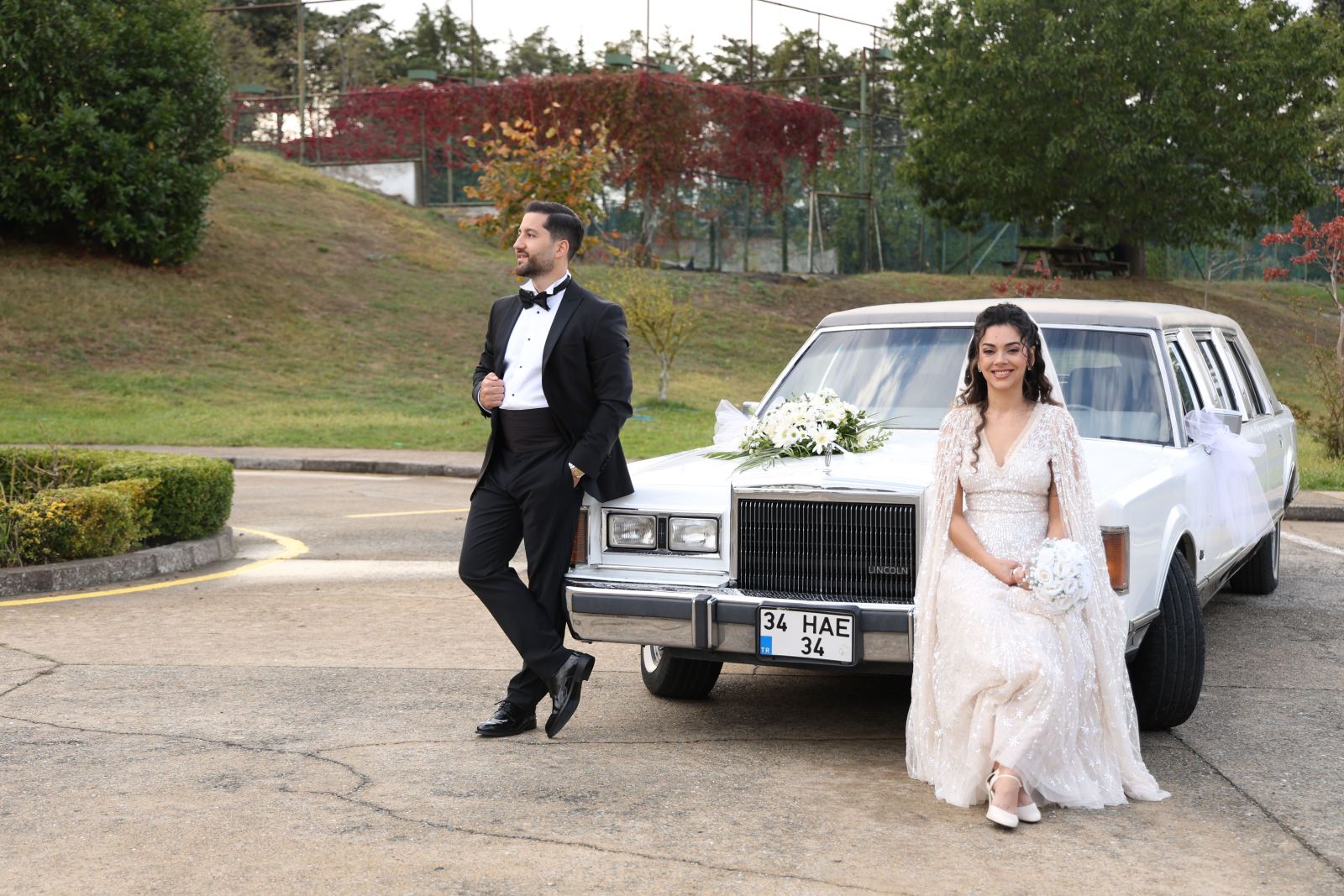
A limo and black car answering service protects corporate accounts by having trained agents answer every call day or night, quote hourly and flat rates correctly on the spot, track flight delays for airport pickups, and rebook instantly when plans change, so an executive assistant never has to leave a voicemail and wait for a callback.
An executive assistant in New York is booking a car for her CEO’s 6 a.m. flight to Chicago tomorrow. It is 8:15 p.m. and she is calling the limo company’s main line for the third time this month — the last two times, voicemail picked up and she left a message that took forty minutes to get returned. Tonight she does not leave a message. She calls the black car service a colleague recommended instead, and the account goes with her.
That is how a limo company loses a corporate account: not with one bad ride, but with one voicemail too many. Corporate clients who book black cars for airport runs, board meetings and client pickups are not shopping on price the way a leisure customer might. They are shopping on certainty, and the first test of certainty is whether a human picks up the phone.
Corporate accounts are the backbone of a limo business, and they will not tolerate voicemail
A limousine or black car company built on one-off airport runs and prom season is a company at the mercy of the calendar. The businesses that keep a black car service profitable year-round are the corporate accounts — law firms, financial firms, medical practices, event planners — that book cars weekly or daily and never haggle over the hourly rate.
Those clients have one non-negotiable expectation: when they call, someone answers. An executive assistant booking a car for a partner does not have time to leave a message and wait for a callback. She has three other things to arrange in the next ten minutes, and a limo company that makes her wait is a limo company she stops calling.
Hourly versus flat-rate: quoting correctly on the first call
Black car pricing is not as simple as a taxi meter, and that is exactly where an undertrained answering service falls apart. Airport transfers are usually flat-rate. A multi-stop day of client meetings, a wedding, or an evening of hopping between venues is usually billed hourly, often with a minimum. Getting the two confused on the phone — quoting a flat rate for what should be an hourly booking, or the reverse — creates a billing dispute before the car has even left the lot.
A caller who knows the difference between a sedan, an SUV, a stretch, and a Sprinter van, and can quote the right structure for the job in front of them, sounds like they work at the company. A caller who has to put the customer on hold to check sounds like exactly what they are: an outside line that does not really know the business. Corporate clients notice that gap immediately, because they book often enough to have heard the correct answer before.
Getting the quote right the first time also protects the invoice at the other end. A corporate account that gets billed hourly for what was booked and confirmed as a flat-rate airport run is an account that queries the statement, and a queried statement is how a finance department starts asking whether it is time to shop the contract around. The quote given on the phone is the number the client expects to see a month later, and any mismatch between the two becomes the company’s problem to explain, not the client’s.
Flight delays and the black car version of airport dispatch
Airport pickups are the single largest category of corporate black car work, and they run on the same unforgiving logic as any airport transfer: the booked time is a guess, the flight is the fact. A good answering service captures the flight number at the time of booking and tracks it, so a driver is not circling arrivals for a flight that landed an hour late, and is not missing a passenger who came in early.
It also means handling the details specific to black car service — a driver holding a name sign at baggage claim, a curbside meet for a client in a hurry, waiting-time billing that kicks in after a grace period, and a quick rebooking when a flight is canceled outright. None of that is exotic, but all of it has to be handled correctly and fast, at 11 p.m. on a Tuesday exactly the same as at 2 p.m. on a Monday.
- Track the actual flight, not the scheduled time, and adjust the driver’s arrival accordingly
- Confirm curbside versus terminal pickup and any signage the client expects
- Apply waiting-time charges correctly after the agreed grace period
- Rebook immediately on a cancellation or major schedule change, before the passenger has to ask
Every booking, reservation, and enquiry answered in your brand voice — your customers never know it is outsourced.
The 24/7 expectation corporate clients have
A law firm does not stop needing a car at 6 p.m., and neither does a company with executives flying in from Tokyo or London on a red-eye that lands at 4 a.m. Corporate black car clients expect the same answering standard at any hour they might plausibly need one, which in practice means around the clock, because international travel and late-closing deals do not run on a nine-to-five schedule.
This is where a lot of otherwise solid limo companies quietly fail their best clients. The daytime desk is sharp and responsive. After 7 p.m. and before 7 a.m., the same client gets a voicemail greeting instead of a person, right at the hours international and red-eye travel actually happens. The accounts most worth keeping are exactly the ones most likely to call outside business hours.
The same expectation applies to changes, not just new bookings. A meeting that runs long, a flight that gets rebooked to an earlier departure, a client who decides at 9 p.m. that tomorrow’s pickup needs to move an hour earlier — all of it has to reach a live agent who can update the job immediately, because a corporate traveler making a change at that hour has no patience left for a callback queue. Handling changes as fast as new bookings is what separates an answering service built for this trade from one that only expects the phone to ring during the day.
What real answering service coverage looks like for a limo company
A properly staffed limo answering service is not a general call center with a script bolted on. It is agents trained specifically on black car service — the fleet types, the hourly and flat-rate structures, the airport protocols, and the individual quirks of the corporate accounts on the books — so a repeat client is not treated like a first-time caller every time they dial in.
That training is what lets an agent book the job live, quote the right rate, confirm the vehicle type, and log any special instructions, all inside the company’s own dispatch system, in the time it takes the client to make the call. The alternative — a message taken now and a callback later — costs the same money and loses the booking, because a corporate client with three other calls to make will already be talking to a competitor by the time the callback comes.
Part of that training is capturing the reference details that prevent a billing dispute weeks later. Most corporate accounts book against a purchase order number, a cost center, or a named approver, and the invoice at month-end has to match whatever the client’s finance department expects to see. An agent who takes the passenger name and pickup address but skips the PO number has created a job that is fine on the day and a headache four weeks later, when the invoice arrives without the reference the client needs to approve it internally. Getting that reference right, every time, is what keeps accounts payable from becoming the reason the relationship sours, even when every ride itself went perfectly.
Why voicemail is the one thing a corporate account will not forgive
A leisure customer who gets voicemail might wait for the callback, or might not, but will usually give the company another chance eventually. A corporate account that gets voicemail during a genuine scramble — a delayed flight, a last-minute meeting, a client who needs a car in fifteen minutes — remembers it as the day the limo company was not there, and that memory is what triggers the call to a competitor next time.
The fix is not complicated, even if it takes real staffing discipline to deliver: answer every call, day or night, with someone who knows the difference between an hourly booking and a flat rate, who tracks the flight instead of the clock, and who can log a job into the company’s system before the caller has hung up. Do that consistently and the corporate accounts that pay the bills stop testing whether the phone will be answered, because they already know it will.
Common questions
Where this guide fits: it is part of the hire car & chauffeur desk we run 24/7. Next step: try the desk free for your first week.

Daniel Okoro is TransportBPO's Content Editor and Dispatcher — a former dispatcher who moved into editorial after years running live boards for taxi, NEMT and trucking accounts. He writes from dispatch-floor experience, not the marketing department, on what actually keeps a 24/7 desk running.
Connect on LinkedIn