


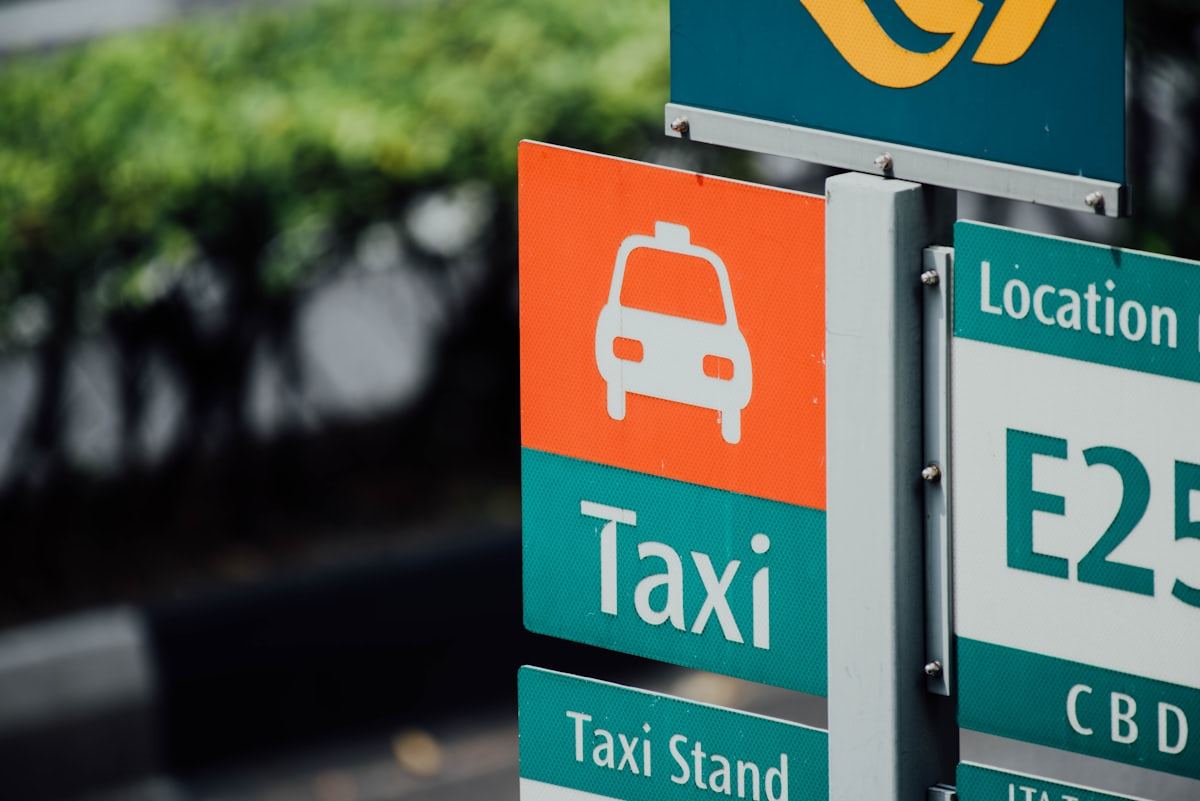
A Cincinnati taxi fleet needs dispatch that handles the local quirks: CVG airport sits across the river in Kentucky, so airport runs cross a state line and bridge traffic; downtown and riverfront events at the ballparks and arena drive tight surges; and the late-night and early-flight hours need coverage. That means round-the-clock dispatch and a desk that knows the tri-state geography.
Cincinnati has a geography most cities don’t: the airport that carries the city’s name is in another state, the river splits the metro across Ohio, Kentucky, and Indiana, and the bridges between them are choke points. A taxi fleet here has to dispatch across that tri-state reality. Here is what a local fleet actually needs.
Why is the CVG situation unusual?
Cincinnati/Northern Kentucky International (CVG) is across the Ohio River in Kentucky, so an airport run isn’t a simple cross-town trip — it crosses a state line and depends on the bridges. CVG is a busy hub with early and late flight banks, which means reliable airport work runs at hours a thin desk can’t cover.
- Airport runs that cross the river into Kentucky and depend on bridge traffic
- Early-morning and late-night flight banks that need overnight coverage
- Business-traveler and hotel accounts that reward reliability
- Premium airport runs that justify answering the phone at any hour
How do the river and bridges shape dispatch?
The Ohio River and its bridges — the Brent Spence, the Roebling, and the rest — turn routing into a real decision. The nearest truck by map can be the wrong truck once you factor which crossing is backed up. A desk dispatching for a Cincinnati fleet has to think in terms of the river split and the bridges, not just straight-line distance, especially during rush hour and event traffic.
What about downtown and riverfront events?
The riverfront is the city’s event engine — Reds games at Great American Ball Park, Bengals games at Paycor Stadium, concerts at the arena, and the riverfront festivals all dump crowds onto the street at once. Those surges are predictable on the calendar and brutal on a thin desk. A fleet that staffs the phone for the post-game and post-concert rush captures fares the apps surge-price away.
Real-time driver coordination and routing around the clock — overnight, weekends, holidays, and peak surges covered.
Why does overnight coverage matter?
Cincinnati’s late-night demand — bar closings in Over-the-Rhine and on the riverfront, hospital and shift-worker runs, and the early CVG departures — keeps the phone alive long after a normal office closes. These are the hours that don’t justify a full-time in-house dispatcher but absolutely justify being covered, because a missed late-night call is a fare gone to the next number on the list.
What’s the right dispatch setup for a Cincinnati fleet?
Round-the-clock coverage and a desk that knows the tri-state geography — the CVG crossing, the bridges, the event calendar, and your own software. Keep the day desk in-house and outsource the overnight, weekend, and event-surge hours to a desk that answers in three rings and books in your platform. The fleet that always picks up, even at 1am, owns the reliability the apps can’t match.
Common questions
Where this guide fits: it is part of the full taxi & cab dispatch desk. Next step: try the desk free for your first week.

Owen heads back-office and billing operations at SS Support Network, handling invoicing, claims, and reconciliation for fleets across four markets. He writes about the paperwork side of transportation — the part that quietly decides whether a busy week is profitable.
Connect on LinkedIn