


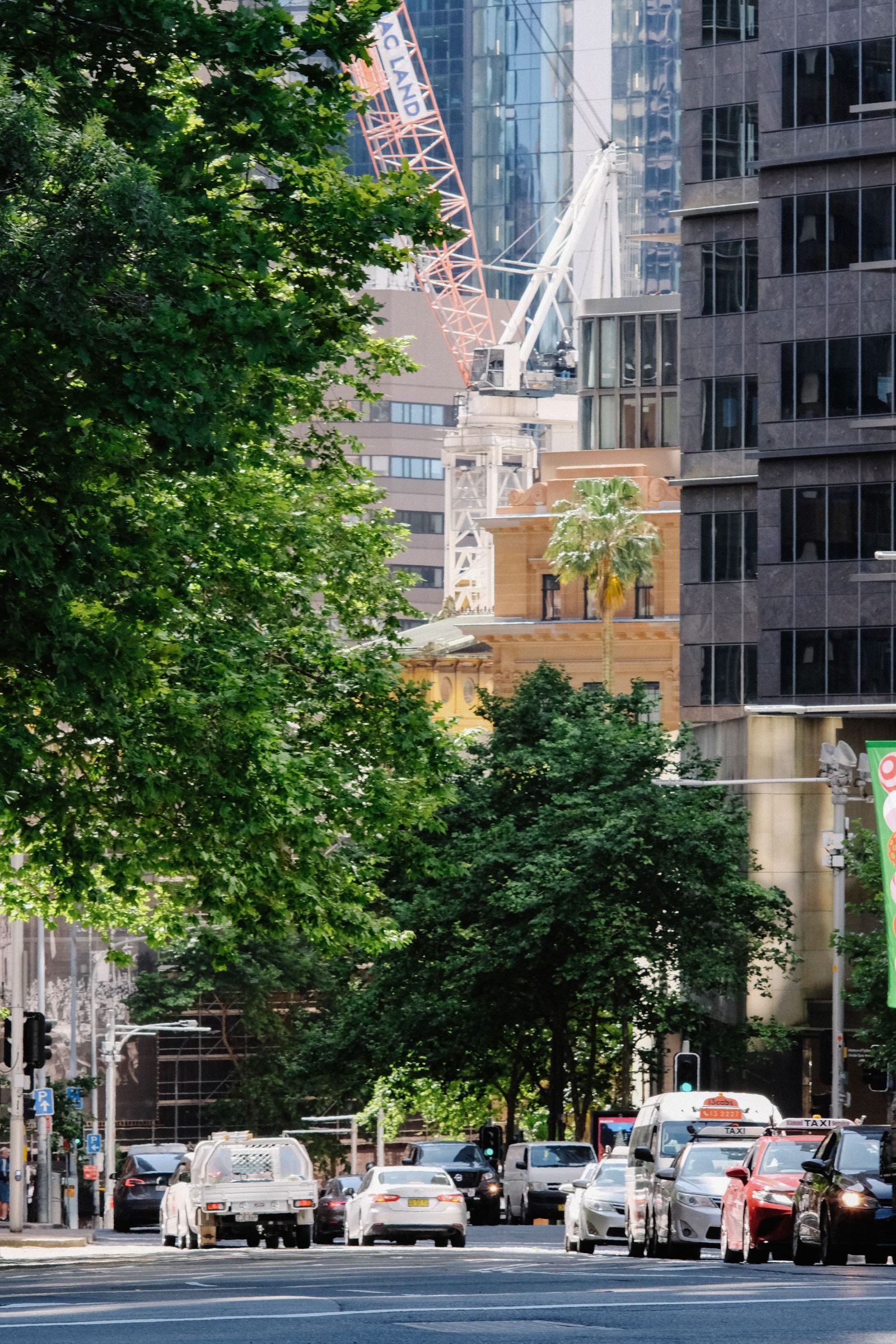
Taxi dispatch and answering means a live desk takes phone bookings, assigns cars and manages the changes — for a single owner-driver or a whole base. Even with apps, a large share of taxi work still comes by phone from hotels, aged care, account clients and the elderly, so covering the phone directly protects the fares apps don’t reach.
The taxi phone hasn’t gone quiet. Apps took a slice, but hotels, hospitals, aged-care homes, account customers and every passenger who doesn’t want an app still ring the base. For a lot of operators that phone work is the steadiest, best-paying part of the diary — pre-booked airport runs, standing orders, wheelchair-accessible jobs. Miss those calls and you lose the loyal fares, not the casual ones.
Who still books a taxi by phone?
More people than the app companies would have you believe. The elderly and anyone uncomfortable with apps, hotels and their concierges, hospital discharge desks, aged-care and disability providers, corporate accounts, and passengers booking a maxi taxi or a wheelchair-accessible vehicle ahead of time. This is high-value, repeat work, and it lives on the phone.
- Hotels, motels and concierge desks
- Hospitals and aged-care facilities
- Account and corporate clients
- Maxi taxi and wheelchair-accessible bookings
What does a taxi dispatch desk actually handle?
Answering the booking, capturing pickup and destination, quoting or confirming fare basis, assigning the nearest suitable car, and dealing with the churn after — the passenger who changes the time, the driver who is running late, the cancellation. For a base it also means juggling the queue at the airport rank or the Friday night rush. The desk keeps that moving so a driver isn’t taking bookings at the wheel.
Owner-driver or base — does it differ?
The need is the same, the scale isn’t. A single owner-driver can’t answer the phone with a passenger in the car, so overnight and in-trip calls go to voicemail and to the next operator. A base has more phones but the same overnight and public-holiday gap, and staffing it locally means penalty rates. Either way, the fix is a desk that answers when you can’t, books into your system, and only rings you when it truly matters.
Real-time driver coordination and routing around the clock — overnight, weekends, holidays, and peak surges covered.
What about accessible and account work?
This is where a real desk earns its place. Wheelchair-accessible taxi bookings, standing aged-care runs and corporate accounts need accuracy and consistency — the right vehicle, the right time, every time. A trained desk holds those rules and the client relationship far better than a voicemail box or a driver scribbling on a notepad between fares. Get this work wrong once and you lose a contract, not a trip.
How do you cover the phone without hiring a shift?
Hand the hours you can’t staff to an outsourced desk that answers in your base’s name and books into your software. Start with overnight and the rank rush, prove the recovered bookings, then widen. Our offshore model covers those Australian overnight and weekend hours in its daytime, with flat pricing and no penalty-rate loading — so you get a live person on the phone at 3am without the surcharge a local overnight desk has to charge.
Common questions
Where this guide fits: it is part of our taxi & cab answering and dispatch coverage. Next step: put live agents on your phones — the first week is free.

Marcus runs the overnight dispatch floor at SS Support Network. Before moving into outsourced operations he spent nine years dispatching for taxi and NEMT fleets, and he writes about the calls, no-shows, and routing decisions that actually happen at 3 a.m.
Connect on LinkedIn