


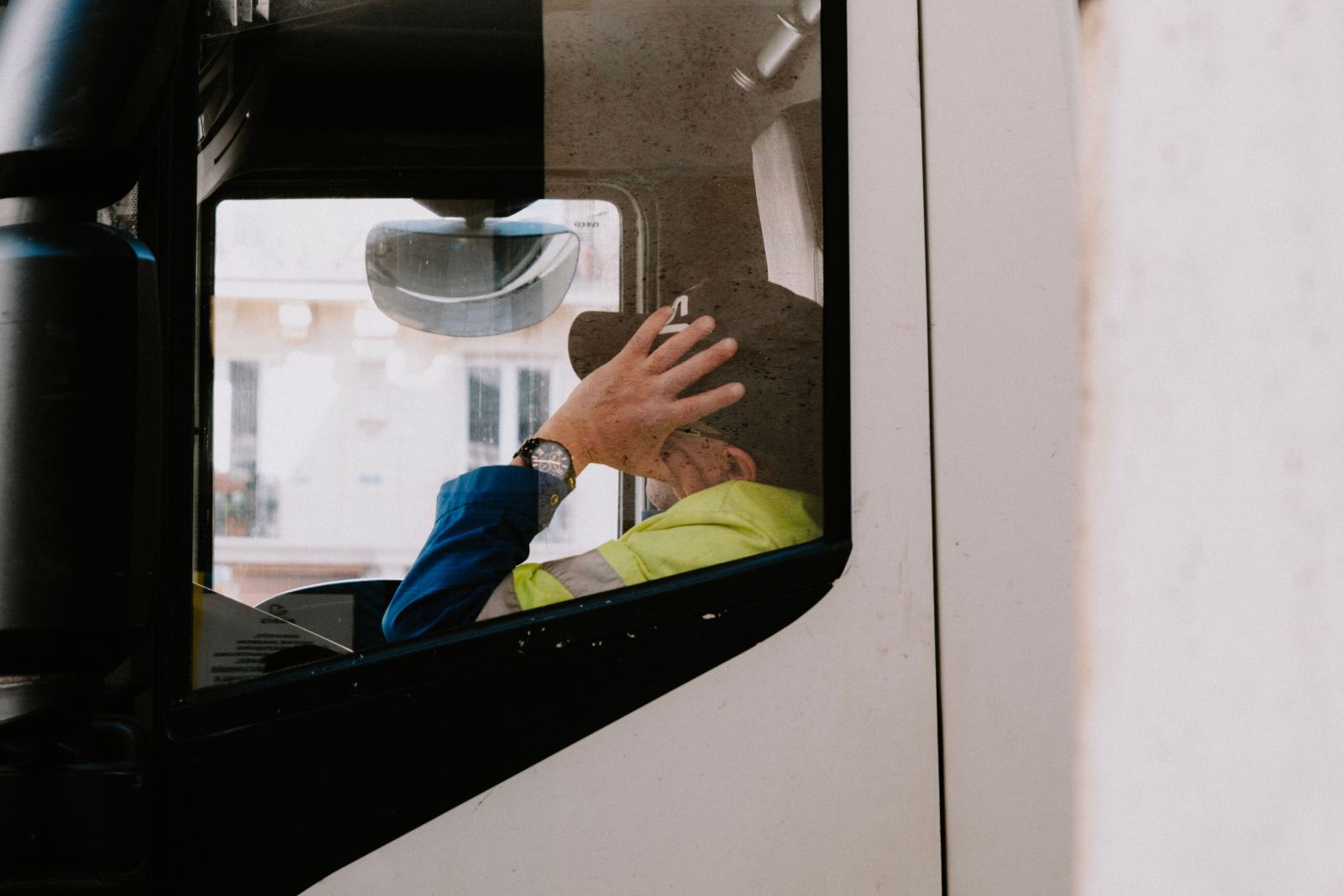
Towing dispatch in Toronto means covering the Greater Toronto Area’s highways and winter recovery work around the clock — the 401, the Gardiner, the DVP and the 400-series network. An outsourced desk monitors your motor club and direct calls 24/7, accepts jobs inside the window, and assigns your trucks so GTA recovery work never sits unanswered.
Toronto and the surrounding GTA run one of the busiest highway networks in North America, and towing demand follows the traffic — which never really stops. Collisions on the 401, breakdowns on the Gardiner and the DVP, and the winter pile-ups that come with Ontario snow keep dispatch busy at every hour. A tow call that rings out is a job gone to the next operator. Here is how round-the-clock dispatch covers it.
The highways that drive your volume
GTA towing demand concentrates on the 400-series network and the downtown arteries. The pressure points:
- Highway 401, one of the busiest stretches in North America, feeding collision and breakdown work day and night
- The Gardiner Expressway and the Don Valley Parkway through the downtown core
- The 400, 404, 407 and 427 carrying commuter and freight traffic across the GTA
- Pearson (YYZ) airport traffic and the surrounding industrial corridors
Winter changes the whole game
Ontario winters turn a normal night into a flood of calls. A snow squall or an ice storm produces collisions, spinouts and dead batteries faster than any in-house desk can field them, and it happens overnight as readily as at rush hour. The operators who hold their motor club standing through winter are the ones whose dispatch never goes dark when the weather turns. That’s the test outsourced dispatch is built to pass.
Ontario’s towing rules and the booking record
Ontario has tightened towing regulation, with rules on consent, posted rates, and documentation that vary across GTA municipalities. The practical upshot for dispatch is that the booking has to be captured cleanly — the location, the vehicle, the consent and the rate where required — and recorded in your system. A desk that just grabs an address and a phone number isn’t enough; it has to book the job properly so the paperwork holds up.
Real-time driver coordination and routing around the clock — overnight, weekends, holidays, and peak surges covered.
What the dispatch desk handles
An outsourced desk watches your motor club portals and your phone line together, around the clock. It accepts qualifying jobs inside the acceptance window, captures the precise location and vehicle details, assigns the right truck — flatbed, wheel-lift, or heavy — and keeps the club statuses current so your rating holds. You set the rules on which jobs and rates to take; the desk works them through the night and the storm.
- Motor club and direct calls monitored 24/7 on one desk
- Jobs accepted inside the window so your rating holds
- Precise location and vehicle captured, right truck assigned
- Winter surge covered when in-house staffing falls short
Starting with the overnight and winter gap
Cover the overnight and weekend window first — that’s where the breakdown and collision calls pile up and where your own desk is thinnest — and make sure it’s solid before the first snow. Prove the desk handles the location detail and club timers, then widen. In the GTA, the towing operator who never misses a 3am call on the 401 is the one who keeps the volume.
Common questions
Where this guide fits: it is part of our towing & recovery answering and dispatch coverage. Next step: start a free week of 24/7 coverage.

Sarah supports fleet compliance and driver-onboarding workflows at SS Support Network. With a background in transport operations across the US and UK, she writes about the licensing, documentation, and safety-admin work that keeps vehicles legally on the road.
Connect on LinkedIn