


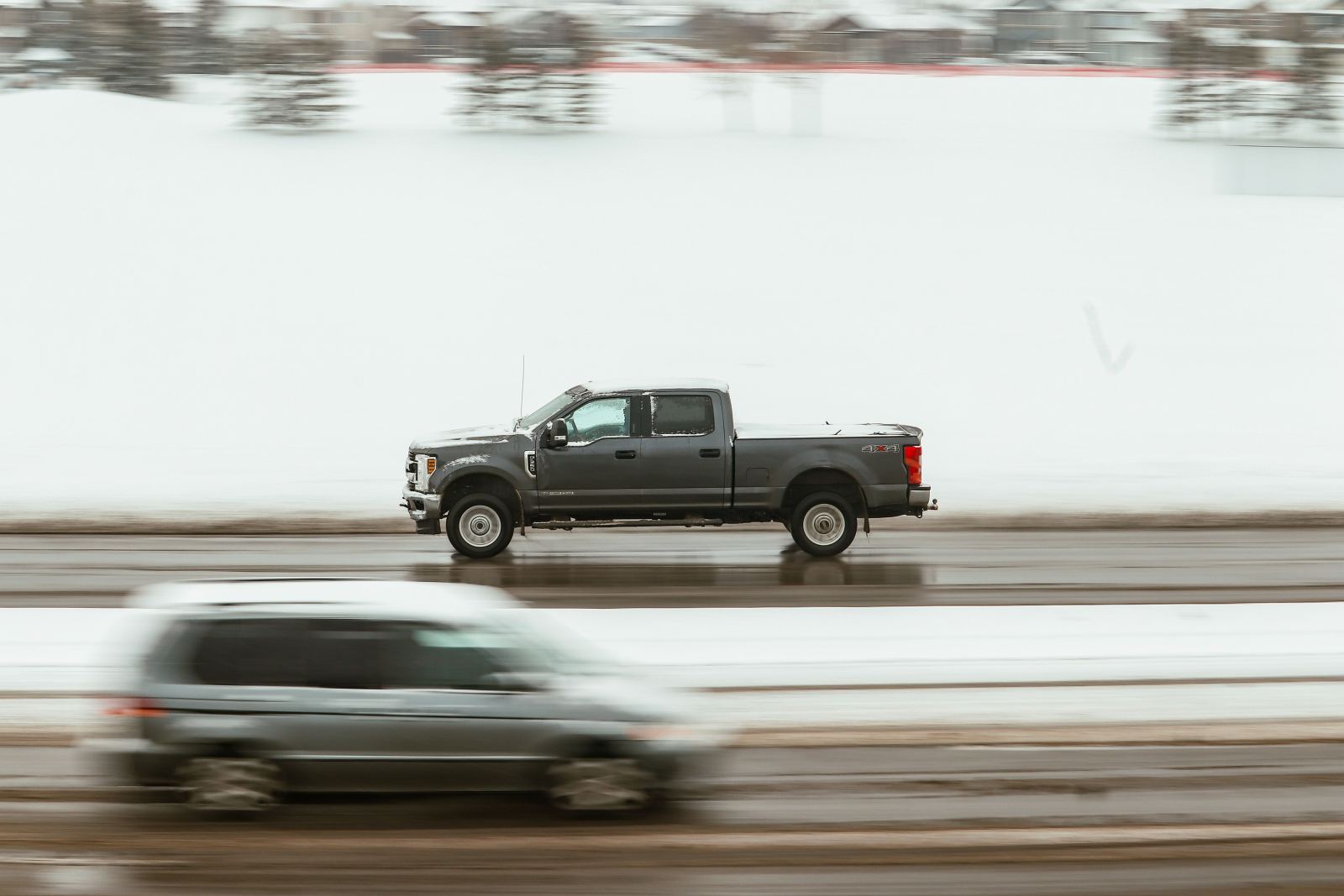
A Winnipeg tow operation needs dispatch that holds up through a real Prairie winter: minus-thirty cold snaps that flatten batteries and freeze fuel lines, highway ditch recoveries on the Perimeter and the TransCanada, and motor-club volume that spikes the moment the temperature drops. That means round-the-clock coverage that accepts club jobs fast and routes the right truck across the city and out onto the highways.
Winnipeg towing lives and dies by the weather. Most of the year the work is steady; for four or five months it is relentless. A January cold snap turns every parking lot into a field of dead batteries and every highway shoulder into a recovery job, and the phone does not stop. A dispatch setup that coasts through a mild winter elsewhere gets buried here. This is what a Winnipeg operation actually needs.
How does a Prairie winter change the work?
Winnipeg gets cold in a way that breaks vehicles, and the cold drives the call pattern. When it hits minus thirty with the wind, the volume is not a trickle — it is a wall. The work that defines a Winnipeg winter:
- Dead batteries and no-starts by the hundred when the temperature crashes
- Frozen fuel lines, seized brakes, and vehicles that simply will not turn over
- Ditch and snowbank recoveries off icy roads and highway shoulders
- Slide-offs and collisions on the Perimeter Highway and the TransCanada
- Stranded drivers who genuinely cannot wait long in that cold
Why does response time matter more here?
A stranded driver in a summer breakdown is inconvenienced. A stranded driver at minus thirty-five is in real danger, and so is anyone in the vehicle. That changes the stakes on every overnight and cold-snap call. The desk that answers in three rings and gets the nearest capable truck moving is not just protecting a job — it is getting a person out of dangerous cold. Slow dispatch in a Winnipeg winter is a safety problem, not only a revenue one.
How does motor-club volume behave in the cold?
CAA and the national clubs — Agero, Allstate, and the rest — route a flood of jobs through the portals the moment a cold snap hits, and each one carries an acceptance timer. A desk that is not watching the screen at 3am during a deep freeze loses those jobs and watches the acceptance rating slip right when volume is highest. In a market where the clubs are a big share of the work, a missed cold-snap surge costs you both the immediate jobs and the volume the clubs route you next.
Real-time driver coordination and routing around the clock — overnight, weekends, holidays, and peak surges covered.
What about the highways and the Perimeter?
Winnipeg sits at a highway crossroads, and winter turns those roads into recovery work. The Perimeter Highway, the TransCanada running east and west, and the routes north and south all generate slide-offs, jackknifes, and disabled vehicles in conditions where getting a truck there safely takes judgment. Highway recoveries need the right equipment and fast, accurate location-taking — a stranded driver on an icy shoulder cannot always say exactly where they are.
What is the right dispatch setup for a Winnipeg tower?
Round-the-clock coverage that watches your phone line and your CAA and motor-club portals, accepts qualifying jobs inside the window, and routes your trucks across the city and the highways — inside TowBook or Dispatch Anywhere. The winter surge is exactly the volume that does not justify three in-house shifts but absolutely justifies being covered every hour. Outsourcing the overnight and cold-snap monitoring keeps your rating up and your trucks moving when the phone will not stop.
Common questions
Where this guide fits: it is part of the towing & recovery desk we run 24/7. Next step: start a free week of 24/7 coverage.

Tom supervises after-hours and overflow coverage at SS Support Network. He has spent most of his career on nights and weekends keeping fleets answered when the office is closed, and writes about out-of-hours cover, escalation, and overflow handling.
Connect on LinkedIn