


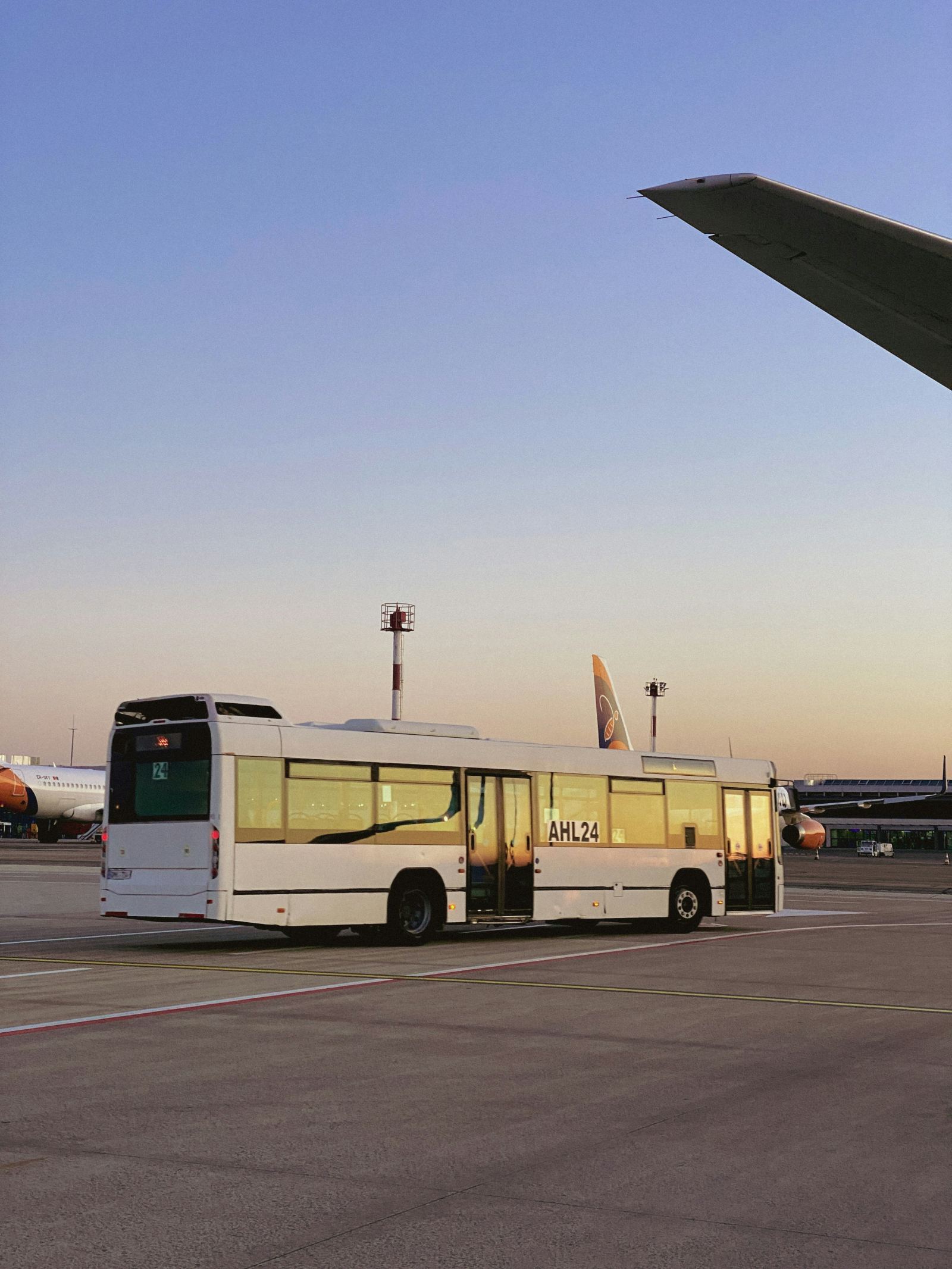
Shuttle and airport transfer dispatch schedules pickups around flight times, tracks arrivals and delays, and keeps drivers synced to passengers who are moving through terminals. The whole operation runs on timing, so dispatch has to watch flight status, manage tight windows, and handle the constant changes a single delayed plane sets off. Good dispatch here is mostly about staying ahead of the schedule.
Shuttle and airport transfer work has a quality the rest of transportation mostly lacks: a hard external clock you do not control. Flights land when they land, early or late, and every pickup is pegged to one. Dispatch for this work is a constant exercise in adjusting to a schedule that keeps moving. Here is what it takes to keep the vans where the passengers are.
Why is airport dispatch all about timing?
Everything traces back to the flight time, and the flight time is rarely the scheduled one.
- Pickups are pegged to arrival times that shift constantly
- A delayed flight pushes a driver who could be on another run
- An early flight means a passenger waiting if you did not track it
- Terminal, gate, and curbside meeting points add complexity
- Tight back-to-back scheduling leaves little slack for error
How does flight tracking change the job?
A dispatcher who is not watching flight status is dispatching blind. The plane the schedule says lands at noon is delayed to two, and a van sitting at the curb for two hours is a van not earning and a timetable falling apart. Live flight tracking lets dispatch adjust the pickup before the gap happens: hold the driver, reslot the run, and have the van there when the passenger actually walks out rather than when the ticket said they would.
What makes scheduled shuttle routes different from on-demand?
Shuttle work often mixes two patterns. Scheduled loops, like a hotel running guests to the terminal every thirty minutes, need consistent timing and capacity planning. On-demand transfers need responsive booking and live tracking. Dispatch has to run both at once, keeping the scheduled loops on their clock while slotting in the transfers around them, and that juggling is where a sharp desk earns its place.
Real-time driver coordination and routing around the clock — overnight, weekends, holidays, and peak surges covered.
How does dispatch handle the delays and changes?
One delayed flight does not change one pickup, it ripples. The passenger is late, the driver assigned to them is now free, the next run can be pulled forward, the passenger needs to be told. Good dispatch absorbs that ripple without the schedule unraveling.
- Reslot the delayed pickup and free the driver for other work
- Notify the passenger and the driver of the new timing
- Pull forward or backfill runs to use the freed capacity
- Keep the hotel or corporate account informed if it affects them
Should shuttle operators outsource this dispatch?
For the hours and the volume they cannot staff to this standard, yes. Airport work runs early mornings, late nights, and weekends, exactly when in-house desks are thin, and it demands constant flight watching that is hard to keep up alongside everything else. A desk trained on your routes and equipped with flight tracking keeps the timing tight around the clock, so an early arrival or a delayed red-eye does not leave a passenger stranded or a van idling.
Common questions
Where this guide fits: it is part of the full shuttle & charter dispatch desk. Next step: put live agents on your phones — the first week is free.

Jeniffer leads the dispatch and answering desk at SS Support Network, the transportation-trained team behind TransportBPO. She has spent years running 24/7 dispatch, call answering, and NEMT operations for fleets, and writes from the desk — not the marketing department.
Connect on LinkedIn