


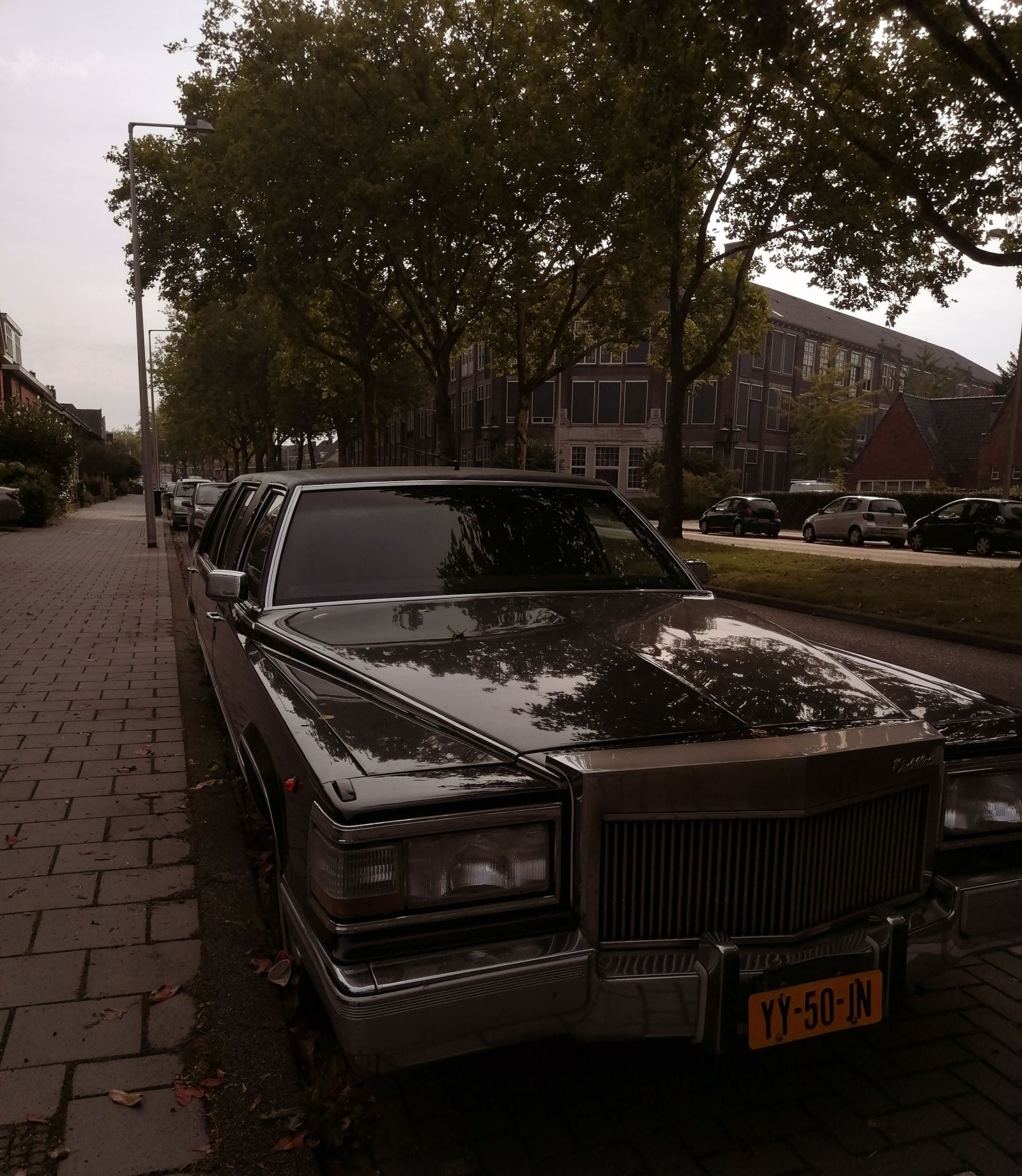
A Minneapolis taxi or limo fleet needs dispatch built for severe winter: when temperatures drop below zero, ride demand spikes because nobody wants to wait outside, MSP airport runs hold up all year, and the downtown and corporate limo work runs on tight schedules. That means 24/7 coverage and a desk that knows the city handles cold the way other markets handle rain.
Minneapolis winters are the operational reality every fleet here plans around. When it’s twenty below, a ride isn’t a convenience — it’s how people avoid frostbite waiting at a curb. Demand spikes, reliability becomes everything, and the fleet that always answers and always shows up owns the market. Here is what a local taxi or limo fleet actually needs from dispatch.
How does severe winter change demand?
Cold drives volume in a way that surprises operators from milder markets. The moment the temperature drops, walking and waiting outside stop being options, and the phone lights up. But the same cold slows every trip, complicates pickups, and means a no-show or a late car leaves someone standing in dangerous weather. Reliability isn’t a nicety here — it’s the product.
- Subzero stretches that spike ride demand fast
- Snow and ice events that slow trips and tie up vehicles
- Pickups where a late car leaves a customer exposed to dangerous cold
- Winter events and holiday travel that stack demand on top of the weather
Why is MSP so central?
Minneapolis-St Paul International (MSP) is a major hub with early and late flight banks, heavy business travel, and steady year-round volume. Airport runs are the reliable money between the weather spikes, and they need coverage at the early and late hours a thin desk can’t staff. A fleet that answers the phone for a 5am winter airport run owns an account the apps treat as interchangeable.
What about the corporate limo and downtown work?
Minneapolis has a strong corporate base, and the limo and black-car side runs on tight schedules — executive airport transfers, corporate events, and the kind of work where being five minutes late is a problem. The skyway-connected downtown keeps people moving indoors in winter, but the rides to and from it still have to be booked and dispatched precisely. That precision is exactly what a trained desk delivers, around the clock.
Real-time driver coordination and routing around the clock — overnight, weekends, holidays, and peak surges covered.
Why does overnight coverage matter here?
Late-night demand — bar closings, hospital and shift-worker runs, early airport departures, and the simple fact that subzero nights drive people to call rather than walk — keeps the phone alive long after a normal office closes. These hours don’t justify a full-time in-house dispatcher but absolutely justify being covered, because in this climate a missed call can leave someone stranded in dangerous cold and send the fare to the next number.
What’s the right dispatch setup for a Minneapolis fleet?
Round-the-clock coverage and a desk that treats winter as the baseline, not the exception — the MSP runs, the corporate schedules, the weather spikes, and your own software. Keep the day desk in-house and outsource the overnight, weekend, and storm-surge hours to a desk that answers in three rings and books in your platform. In a city where reliability is the product, the fleet that always picks up wins.
Common questions
Where this guide fits: it is part of the full taxi & cab dispatch desk. Next step: try the desk free for your first week.

Jeniffer leads the dispatch and answering desk at SS Support Network, the transportation-trained team behind TransportBPO. She has spent years running 24/7 dispatch, call answering, and NEMT operations for fleets, and writes from the desk — not the marketing department.
Connect on LinkedIn