


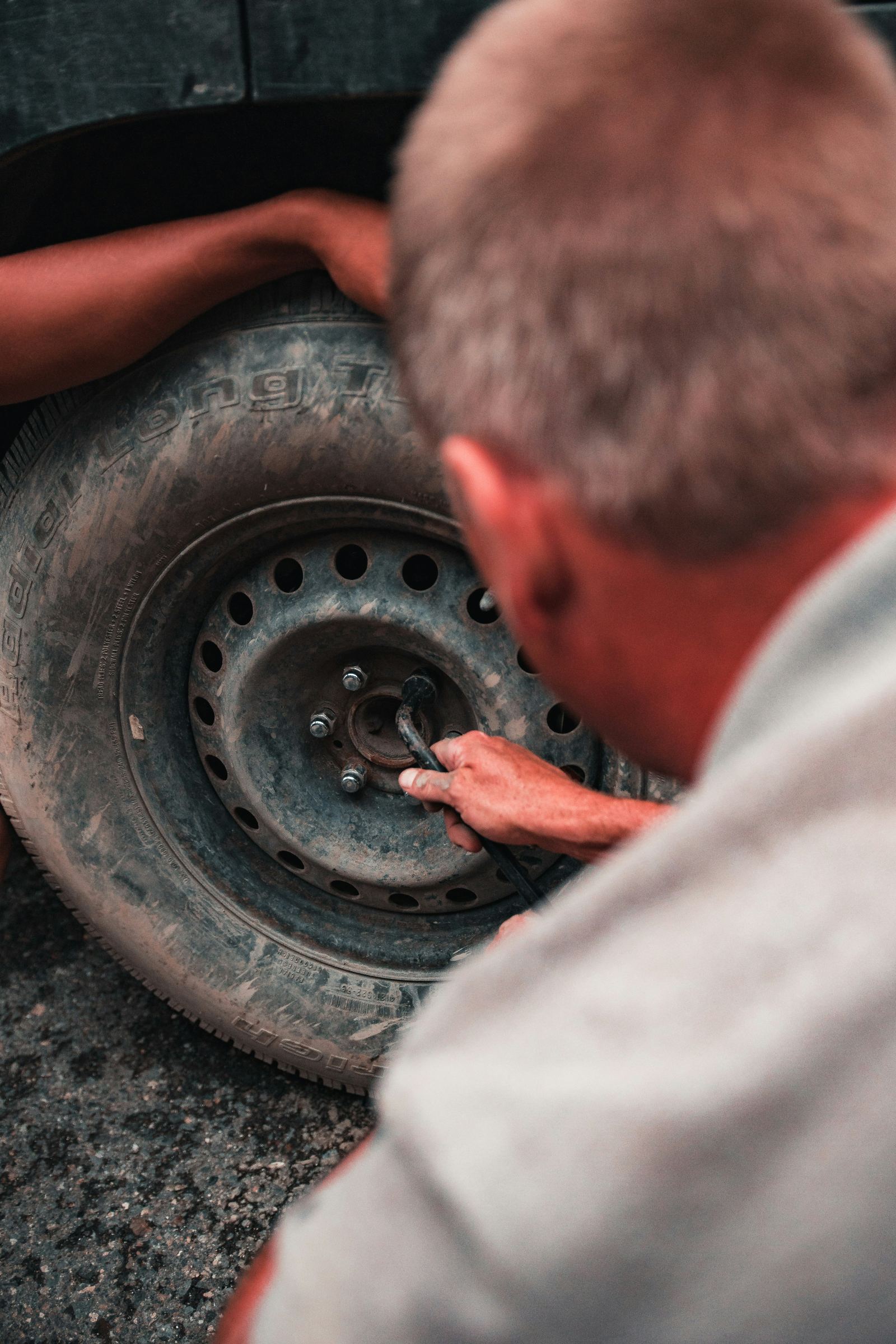
A Pittsburgh tow operation needs dispatch that understands the terrain: hundreds of bridges and the tunnels create choke points where a single breakdown backs up the city, the steep hills turn winter ice into a recovery nightmare, the PIT corridor runs all hours, and motor-club volume is constant. That demands 24/7 coverage and routing that knows the rivers, ridges, and crossings.
Pittsburgh is one of the hardest cities in the country to route a tow truck through, and that’s before winter. Three rivers, hundreds of bridges, the tunnels, and neighborhoods stacked on steep hillsides mean the shortest distance between two points is rarely a straight line. The dispatch has to know the terrain cold. Here is what a local tower actually needs.
Why do the bridges and tunnels dominate dispatch?
Pittsburgh has more bridges than almost any city on earth, and the Fort Pitt and Squirrel Hill tunnels are notorious choke points. A breakdown or accident in the wrong spot doesn’t just need a tow — it backs up traffic for miles and the response window is tight. Routing a truck to a vehicle stuck mid-tunnel or on a bridge approach takes local knowledge no generic call center has.
- Bridge and tunnel choke points where response time is critical
- River geography that makes the nearest truck by map the wrong truck by road
- Inbound and outbound crossings that change which truck can actually get there
- Rush-hour backups at the tunnels that reshape every routing call
How brutal is the winter for towing?
Pittsburgh’s hills are the problem. Snow and ice on streets like Canton Avenue and the steep neighborhood grades turn ordinary winter weather into slide-offs, stuck vehicles, and recoveries that need the right equipment. Demand spikes the moment the roads ice over, the calls run all night, and the recoveries are harder and slower than flat-ground work. A desk that can hold up through an ice event keeps your trucks earning when the city grinds to a halt.
What does the PIT corridor and highway network drive?
Pittsburgh International (PIT) and the parkway network — the Parkway West, East, and North, plus I-376 and I-79 — generate steady all-hours work: breakdowns, accidents, and disabled vehicles on roads that don’t empty. Airport-corridor calls often run on motor-club or insurance accounts and need fast response with the right truck. Booking these quickly and routing across the river-split geography is exactly where dispatch wins or loses the job.
Real-time driver coordination and routing around the clock — overnight, weekends, holidays, and peak surges covered.
Why does motor-club volume matter so much?
AAA, Agero, HONK, and NSD jobs land in the portals around the clock, each with an acceptance timer. With Pittsburgh’s weather and terrain generating constant roadside work, a desk that isn’t watching the screen at 3am loses jobs and lets the acceptance rating slip — and rating decides how much volume the clubs route you next week. Around-the-clock portal monitoring is non-negotiable here.
What’s the right setup for a Pittsburgh tower?
Round-the-clock coverage that watches your portals and phone, accepts qualifying jobs in the window, and routes trucks with real awareness of the bridges, tunnels, and hills — inside TowBook or Dispatch Anywhere. Keep rate decisions and key accounts in-house and outsource the overnight, weekend, and winter-surge monitoring. In terrain this unforgiving, the cost of an unwatched screen is high.
Common questions
Where this guide fits: it is part of our towing & recovery answering and dispatch coverage. Next step: put live agents on your phones — the first week is free.

Marcus runs the overnight dispatch floor at SS Support Network. Before moving into outsourced operations he spent nine years dispatching for taxi and NEMT fleets, and he writes about the calls, no-shows, and routing decisions that actually happen at 3 a.m.
Connect on LinkedIn