


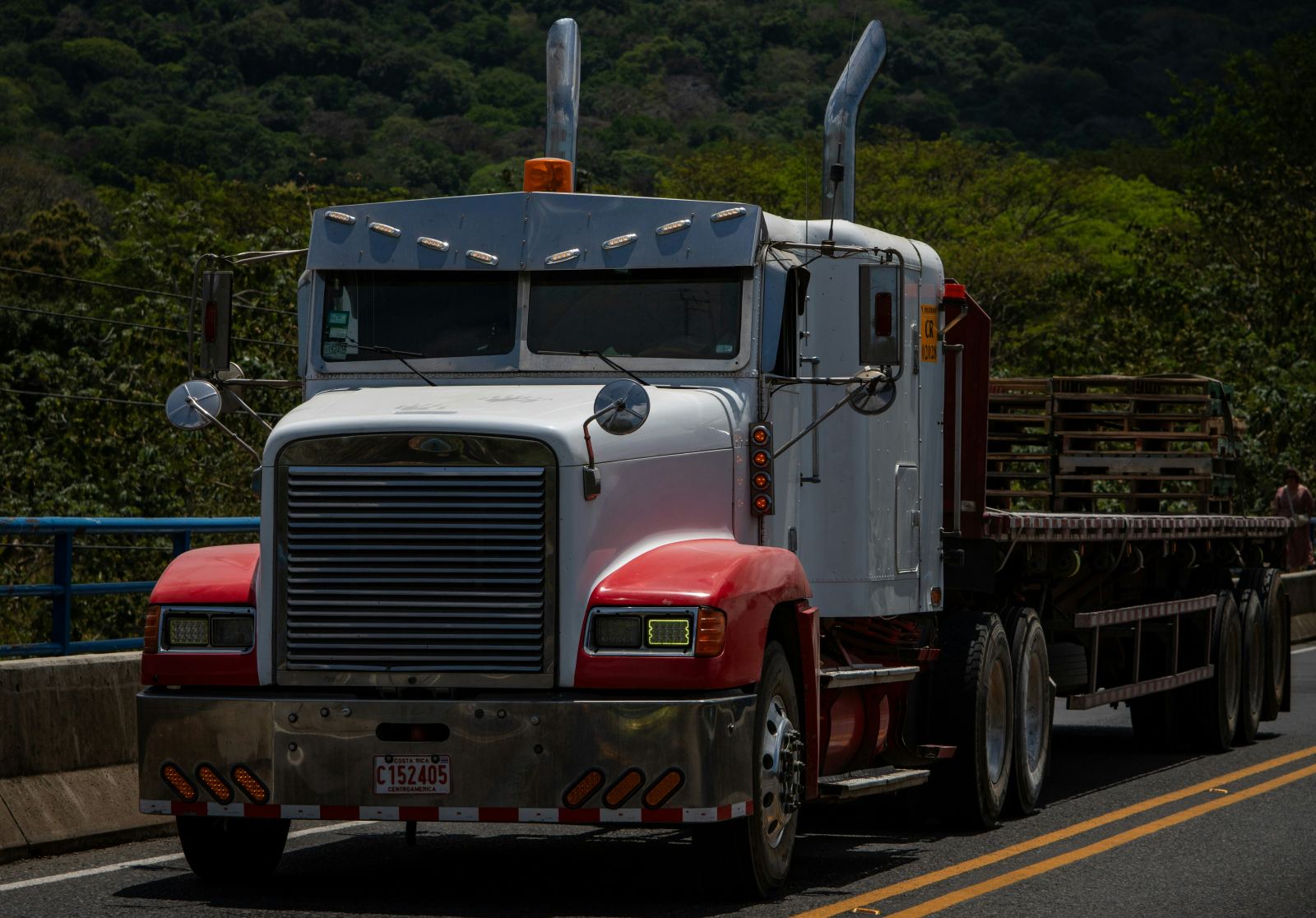
A St Louis carrier needs dispatch that works the freight crossroads: I-70, I-44, I-55, and I-64 converge here, making the metro a natural break point for loads moving in every direction, with river and rail intermodal volume on top. That means a desk that works the boards and broker relationships hard, books backhauls fast, and keeps the truck loaded across the lanes the city feeds.
St Louis sits where the country’s freight crosses. I-70 runs east-west through the heart of it, I-44 heads southwest, I-55 runs the river corridor north-south, and the Mississippi and the rail yards add barge and intermodal volume. For a carrier or owner-operator, that geography is opportunity — but only if the dispatch keeps the truck moving and loaded. Here is what a local operation actually needs.
Why is the I-70 crossroads such an advantage?
St Louis is one of the great freight break points in the middle of the country. A truck based here can reach Chicago, Kansas City, Memphis, Indianapolis, and beyond inside a day, which means a good dispatcher always has options for the next load and the backhaul. The trick is working those options fast enough to keep the wheels turning.
- I-70 east-west to Kansas City and Indianapolis/Columbus
- I-44 southwest toward Tulsa and the Southwest
- I-55 north-south along the river to Chicago and Memphis
- I-64 and the regional network feeding shorter regional lanes
- River and rail intermodal volume that adds drayage and transload work
What does a dispatch desk actually do for a carrier here?
It works the boards and the broker relationships so the driver doesn’t have to. DAT and Truckstop fill the gaps, but the money is in brokers who call you first and direct accounts that pay better than spot. A desk books the load, negotiates the rate, lines up the backhaul before the truck is empty, and handles the check calls and paperwork — so the driver drives and the truck stays loaded.
How does the back-office tail affect take-home pay?
Booking loads is only half the work. Rate cons, BOLs, check calls, detention claims, and getting invoices out clean so you get paid on time is a full job by itself — and every hour the driver spends on it is an hour the truck sits. A back-office desk that handles the paperwork tail and the broker check calls is the difference between a truck that earns and a driver buried in admin at a truck stop.
Real-time driver coordination and routing around the clock — overnight, weekends, holidays, and peak surges covered.
Why does fast booking matter at a crossroads?
When you sit where four interstates meet, the cost of an empty mile or an idle day is pure loss — there was a load you could have covered. Speed is the whole game: answering the broker first, having the backhaul lined up, and turning the truck around fast. A desk dedicated to keeping your specific truck loaded, working while the driver sleeps or drives, is how you convert the crossroads geography into miles that pay.
What’s the right dispatch setup for a St Louis carrier?
A back-office dispatch desk that works the boards, builds broker relationships, books and negotiates loads, lines up backhauls, and handles the paperwork and check calls — so the driver keeps the wheels turning across the lanes St Louis feeds. For owner-operators and small fleets, that frees the hours the truck only earns when it’s moving, and it scales without you hiring a dispatcher you can’t keep busy.
Common questions
Where this guide fits: it is part of our trucking & freight answering and dispatch coverage. Next step: start a free week of 24/7 coverage.

Sarah supports fleet compliance and driver-onboarding workflows at SS Support Network. With a background in transport operations across the US and UK, she writes about the licensing, documentation, and safety-admin work that keeps vehicles legally on the road.
Connect on LinkedIn